

Craftsmanship
We actually wanted to write a classic sustainability page.
With numbers, CO₂ values and big promises.
But then we realized:
Our way of working is sustainable. Without labels. Without PR platitudes.


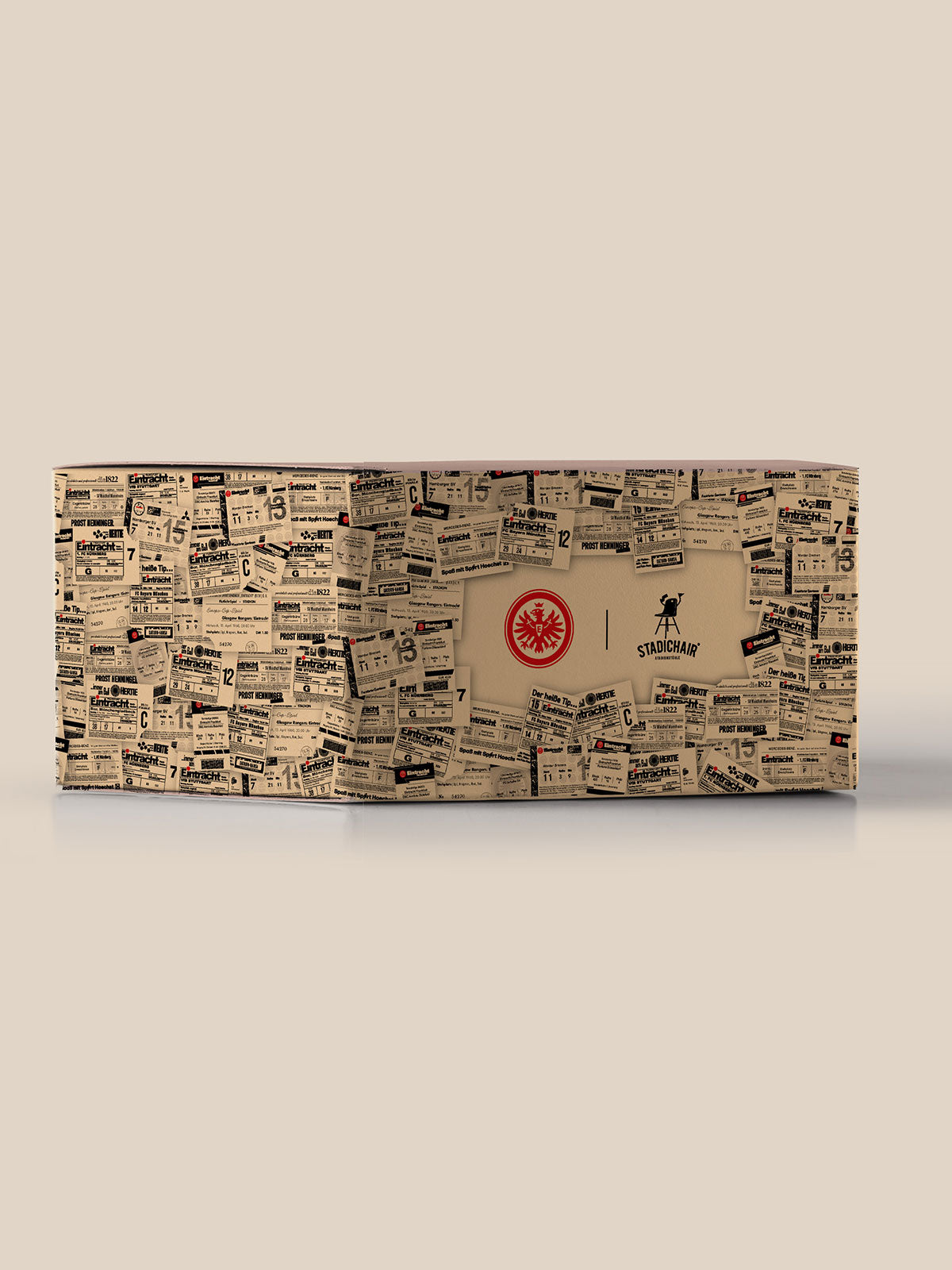

Packaging & Shipping
Our packaging is made from 100% recycled material.
What we can use again, we use again.
Shipping is climate neutral – because the planet matters.
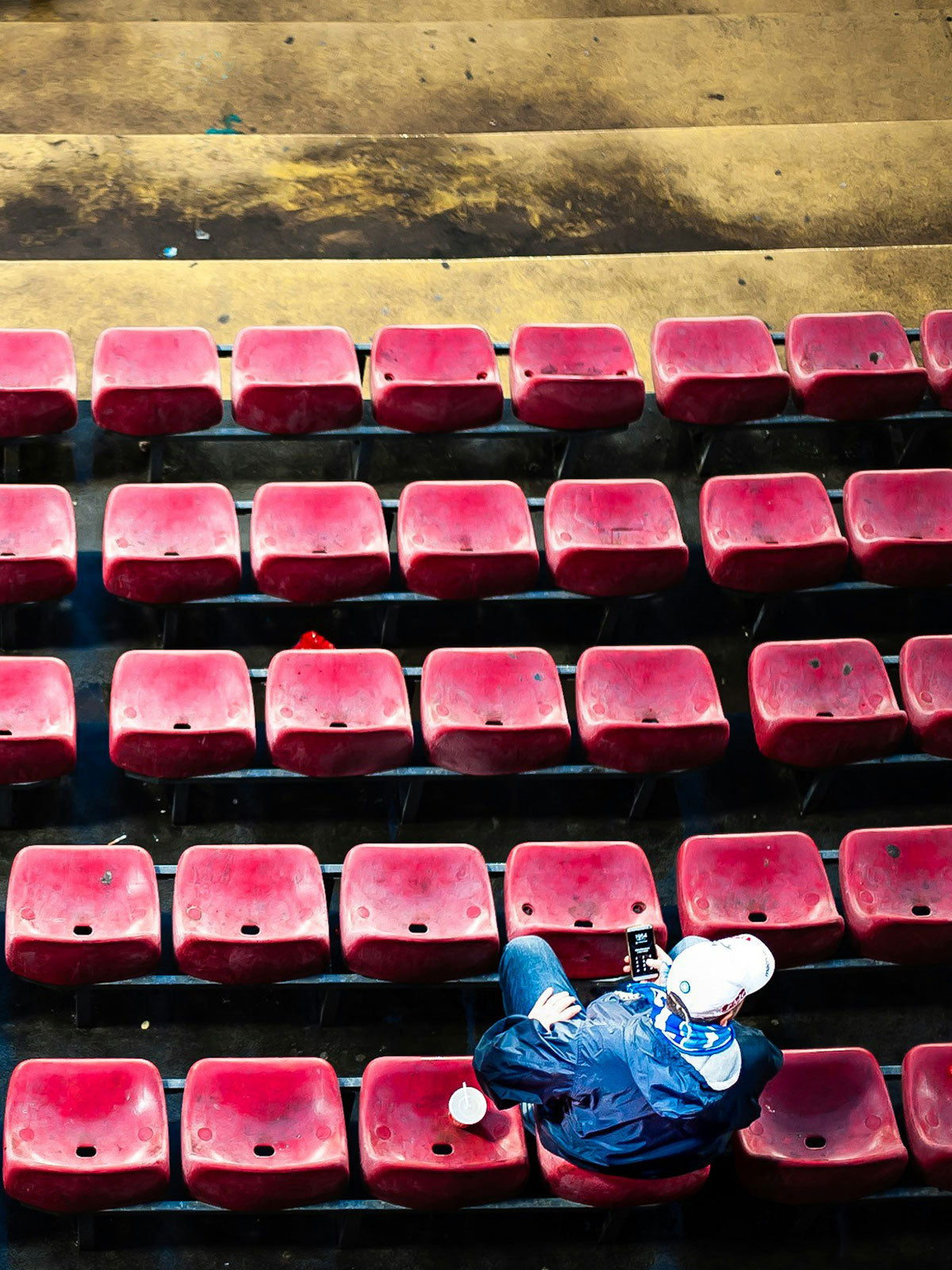

Your contribution
With every STADICHAIR chair, you choose design with attitude:
Sustainable. Locally manufactured. Full of history.
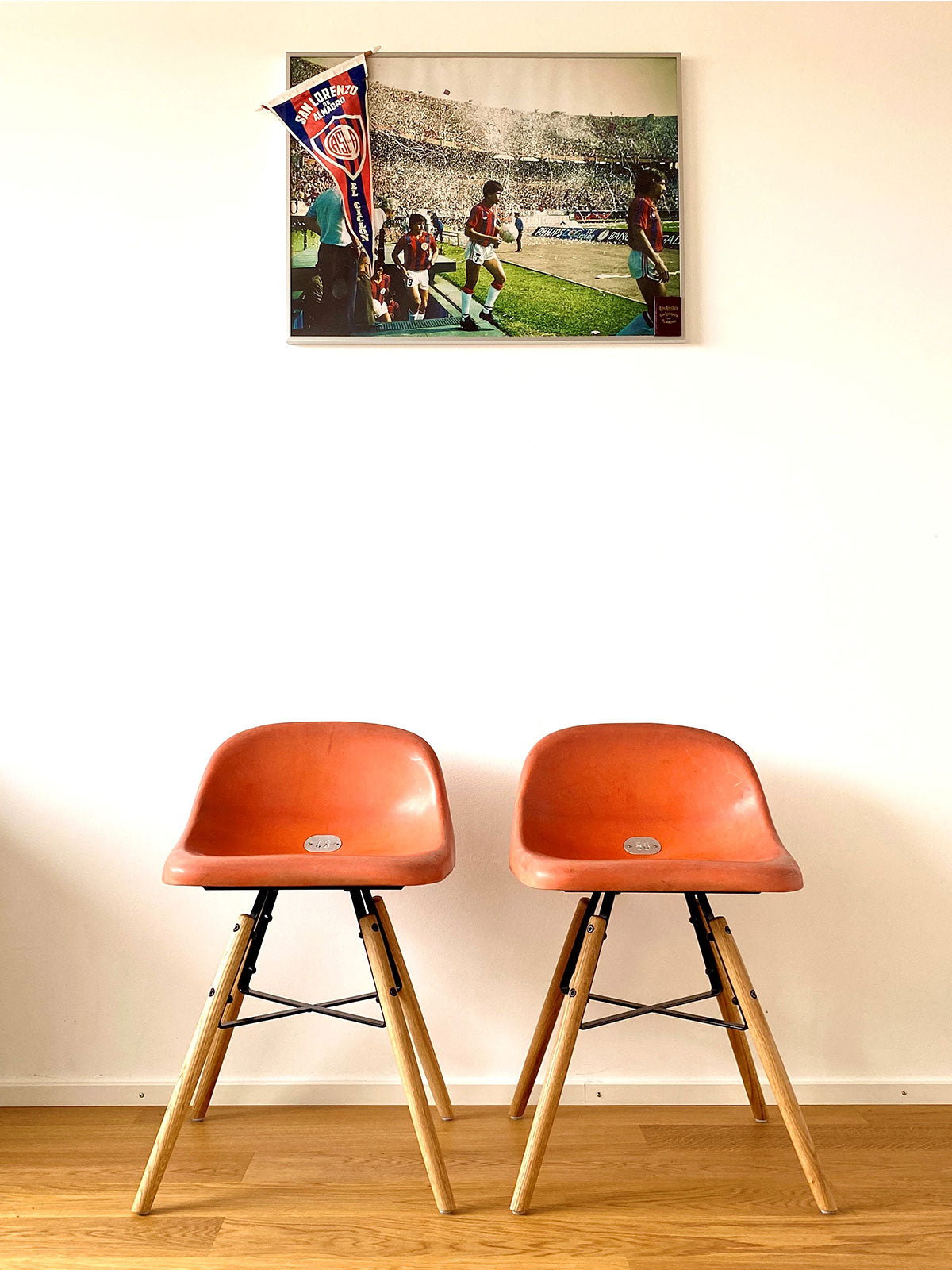

“Not everything that is old has to go.”
Some things are old because they were made well.
Because they were part of something bigger.
Because they carry memories.
We believe in second chances – even for stadium seats.
Packaging & Shipping
Our packaging is made from 100% recycled material.
What we can use again, we use again.
Shipping is climate neutral – because the planet matters.
Your contribution
With every STADICHAIR chair, you choose design with attitude:
Sustainable. Locally manufactured. Full of history.
“Not everything that is old has to go.”
Some things are old because they were made well.
Because they were part of something bigger.
Because they carry memories.
We believe in second chances – even for stadium seats.
For new projects: Design with a future.
C2C - Sustainable from the start
Cradle to Cradle means that products are designed from the outset so that they can be reused or completely recycled after use – without leaving any waste behind .
Instead of “from cradle to grave”, it is “from cradle to cradle” – a real material cycle that protects the environment.
♻️ Material cycle
Our seats are made from a small number of pure materials, making them fully recyclable. Each seat can be transformed into a new product after use. No mixed waste, no downcycling.
🔩 Spare parts principle
Each seat has a modular design. This means that if a part breaks, it can be replaced individually instead of replacing the entire chair. This saves resources and extends its lifespan.
🌍 Short distances
Development, production, and processing take place almost entirely in Germany. This minimizes transport routes, strengthens local structures, and saves CO₂. Sustainability begins at our doorstep.